


The best things I read, watched and listened to this month didn’t come from an algorithm. They came from people whose taste I trust telling me to stop scrolling and pay attention. That’s the whole point of this. No fluff, no affiliate deals, just the stuff from July I think is worth your time.
Just a heads up I use AI for editing, proofing and brainstorming. Having said that all recommendations are mine and I have read, watched, or listened to what I recommend.
Media Business: Kara Swisher on the State of the Business
For all of us feeling a bit worn down by the headlines announcing the death of “legacy media”, this one’s the antidote.
On With Kara Swisher did a live interview with New York Times President and CEO Meredith Kopit Levien and Vox Media CEO Jim Bankoff. Two people actually running big media businesses, talking honestly about where the money and the audience are really going, with Swisher doing what she does best: refusing to accept a non-answer.
Book: Regime Change by Maggie Haberman and Jonathan Swan
I’ve just finished Regime Change, and staggering is the only word for it. Twice over, actually. Staggering in the research, and staggering in the depravity of the people operating at the very highest level.
Maggie Haberman and Jonathan Swan of the New York Times spent two years and roughly a thousand interviews building this account of the first year of Trump’s second term, and it’s the inside version: the Situation Room deliberations behind the Iran war, the sealed border, National Guard troops surging into American cities.
Haberman was part of the team that won a Pulitzer for the Trump-Russia reporting, and Swan is the Australian whose 2020 sit-down with Trump became the benchmark for how to actually interview the man.
As a former news guy I love this behind the scenes stuff.
The sort you only get when sources trust you enough to repeat what was said in the room.
If you want to understand how the biggest story in the world is really being run, rather than how it looks on cable news, you should read this.
Podcast: Prof G Markets — Wall Street Is Pumping SpaceX, So Why Is It Falling?
Regular readers will know I have a soft spot for the Prof G Media stable, and this episode is a good example of why. Scott’s away, so Patrick Boyle fills in alongside Ed Elson. Boyle is a professor at King’s College London and a portfolio manager with twenty-plus years across hedge funds and investment banks, which means he can explain what’s actually going on without the usual finfluencer theatrics.
The pair dig into how SpaceX’s stock has traded over the past couple of weeks, pull apart the analyst price targets, and raise a concern worth hearing: the conflicts of interest baked into equity research. In other words, the people telling you to buy may not be neutral parties. They also cover why the crypto bros have quietly abandoned crypto for AI.
Here’s my prediction. When all this plays out, episodes like this one will look prescient, and people will still be saying “nobody saw this coming.”
Somebody did. They said it out loud, on a podcast, for free.
And when the music stops, it won’t be the guys who launched the IPOs or the backers and hypers who get hurt. They’ll have made their money and moved on. It’ll be retail investors left holding the bag, same as it ever was. Frankly, that pisses me off.
Dust On Her Boots
And while we’re on podcasts, allow me to blow my own horn for a second. If you didn’t catch my episode Dust On Her Boots with Anna Fifield, do yourself a favour and give it a listen. Anna has had the kind of career most journalists only daydream about. She reported from inside North Korea twelve times, covered the Obama White House for the Financial Times, and ran the Washington Post’s Beijing bureau. Then, in the space of a month, she was made redundant and turned fifty. Anna read this as a starting gun and launched her own Substack, Between Giants, bringing decades of foreign reporting home through a New Zealand lens. Three months in she’s got three and a half thousand subscribers. It’s exactly the sort of back-yourself-later-than-the-world-says story this whole newsletter exists for. You can sign up here.

Documentary: Icarus
With the Tour de France on this month, it felt like the right time to point you at Icarus.
Bryan Fogel started out making a film about doping in cycling. The plan was to dope himself under supervision and prove how easy it is to beat the tests. Then his adviser, a Russian scientist named Grigory Rodchenkov, turned out to be the man who ran Russia’s state doping programme, and the film stumbles into one of the biggest sporting scandals of the century. What begins as a stunt about amateur cycling ends with Rodchenkov fleeing to America as a whistleblower and Russia banned from competing under its own flag at the Olympics.
You could not script it, and nobody did. It won the Oscar for Best Documentary, and it’s the rare film that gets better as it loses control of its own premise.
Travel Recommendation from our woman in the field (aka Scarlett my daughter).
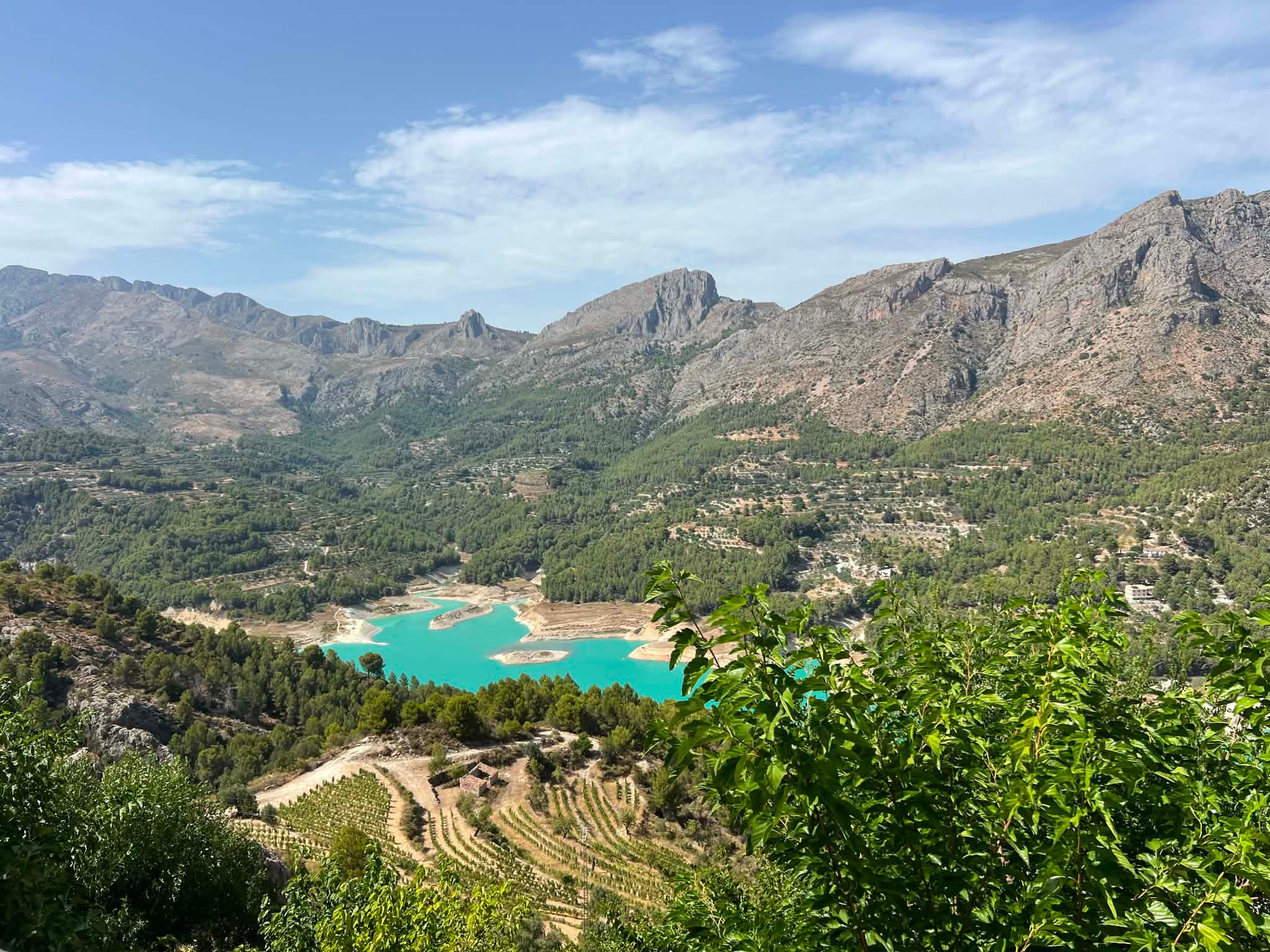
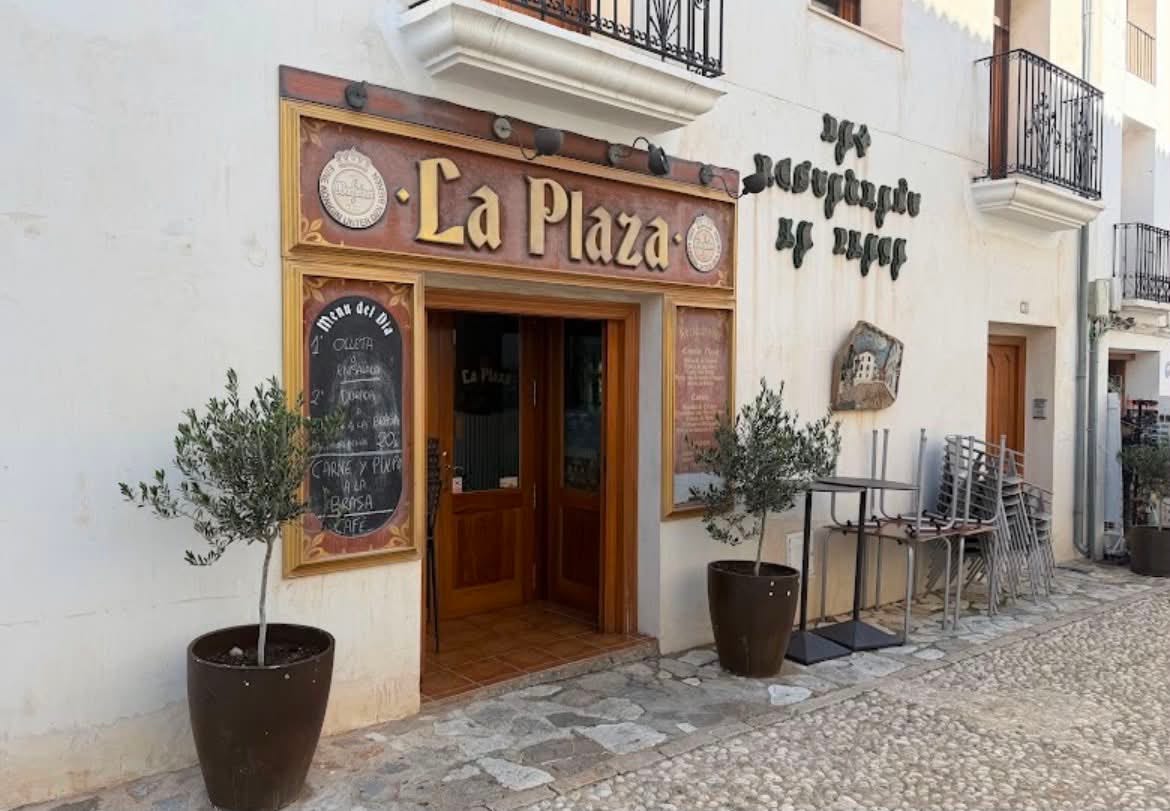
My recommendation for travel is the tiny old town of El Castell de Guadalest just outside of Alicante and stopping to have vermouth at the tiny bar Mick Jagger used to regularly visit you will spot it as his photos are all over the walls !
That’s July done.
If you’ve come across something worth sharing, send it my way. A podcast, a book, a documentary, a business move that made you think. The best recommendations in this newsletter come from readers, and I’d love to feature yours next month. Add yours in the comments or hit reply.